PRESS RELEASE
Virtual premiere of OCTAVIA RS and OCTAVIA SCOUT
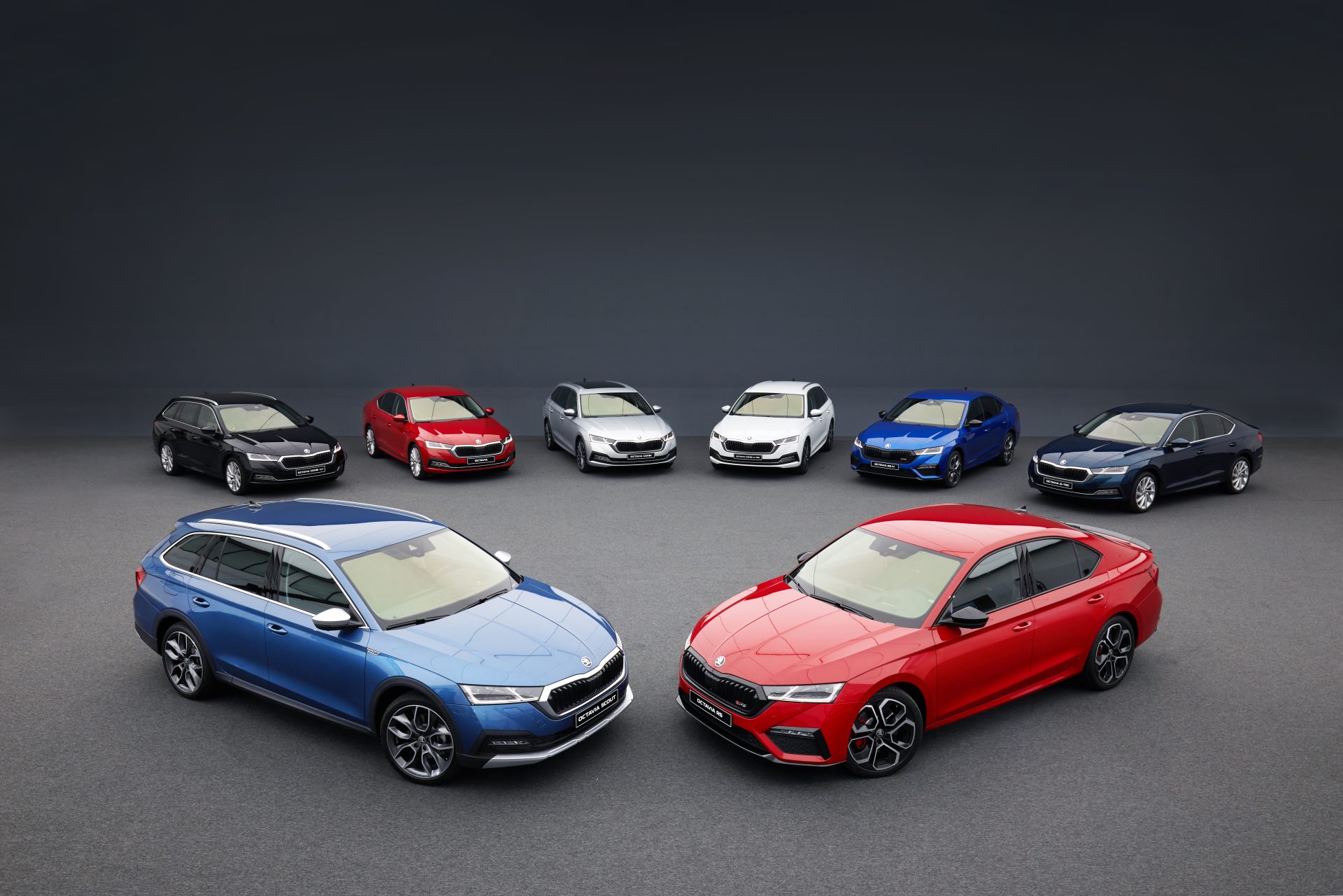
The ŠKODA OCTAVIA is the heart of the Czech brand and tops the bestseller lists in numerous European countries. A rugged SCOUT and two further sporty RS variants have now been added to the fourth-generation OCTAVIA portfolio. By electrifying the powertrain with new mild hybrid technology and two OCTAVIA iV plug-in hybrids, ŠKODA has reduced the OCTAVIA’s CO2 emissions even further. The iV variants of the bestseller can travel up to 60 km in the WLTP cycle without producing any emissions; the combustion engines have also continuously been optimised. They are now even more efficient. Furthermore, ŠKODA has lowered nitrogen oxide emissions from the new EVO generation of diesel engines by about 80 per cent using the ‘twin dosing’ process. With a choice of two body variants, front- or all-wheel drive, manual or DSG transmission as well as five drive systems – petrol, diesel, CNG, mild hybrid and plug-in hybrid – every ŠKODA OCTAVIA customer will find their perfect match. The centrepiece of the OCTAVIA’s all-wheel drive system is a sixth-generation electronically controlled multi-plate clutch, which – among other things – is significantly lighter than its predecessor following a comprehensive technical update.
Bernhard Maier, ŠKODA AUTO CEO, said, “The new generation of the OCTAVIA is one of the most important model updates for ŠKODA this year and is a key part of what is currently the biggest product campaign in our company’s history. We have refined our icon’s core virtues even further and have also taken another major step forward in terms of design, connectivity and safety. I am convinced that we will win the hearts of our customers once again with this great overall package.”
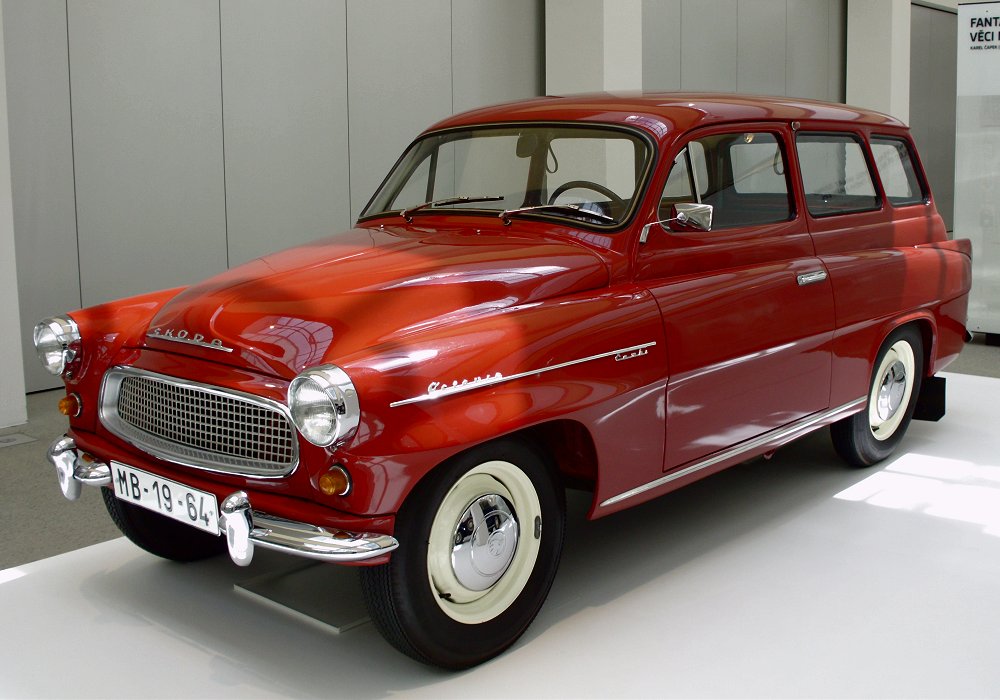
The success story of the ŠKODA OCTAVIA began in 1959. As the brand’s eighth model since the Second World War and the eighth to feature ultra-modern independent suspension for all wheels, it was given a name meaning ‘the eighth’ in Latin, a name which has since become synonymous with the entire brand. Next came the first OCTAVIA COMBI estate variant in 1961, which was produced until 1971. A total of 360,000 OCTAVIAs were built, including more than 54,000 units of the OCTAVIA COMBI. The first generation of the modern-day edition made its debut in April 1996. The unmistakable hatchback with a large tailgate was followed in March 1998 by the even more spacious OCTAVIA COMBI, which was particularly successful in Europe. By November 2010, 970,000 hatchbacks and more than 470,000 COMBIs had been sold. In 2004, the second modern day generation was launched. Of this, 1.7 million hatchbacks and 870,000 estates had rolled off the assembly line by 2013. The third generation introduced in November 2012 was also a huge success – a total of more than 2.5 million customers had opted for this OCTAVIA by spring 2020. Since 1959, ŠKODA has produced more than seven million OCTAVIAs.
Bestseller in many markets and produced in five different countries
Up to 400,000 OCTAVIAs are now produced per year and it tops the list of bestsellers in numerous markets. The ŠKODA icon has already been the chart-topping vehicle in its homeland of the Czech Republic 30 times and it has also been listed at the top in seven other countries, including Poland, Austria, Switzerland and Finland. In Germany, the OCTAVIA’s second-largest sales market in the world, it has been the number-one import vehicle for many years. The OCTAVIA COMBI, which is the bestselling estate car in Europe, plays a major part in this. The chartbuster is the brand’s only vehicle to be produced in five different countries: in addition to the Czech Republic and China, it also rolls off the lines in Russia, Kazakhstan and India.
A successful big family
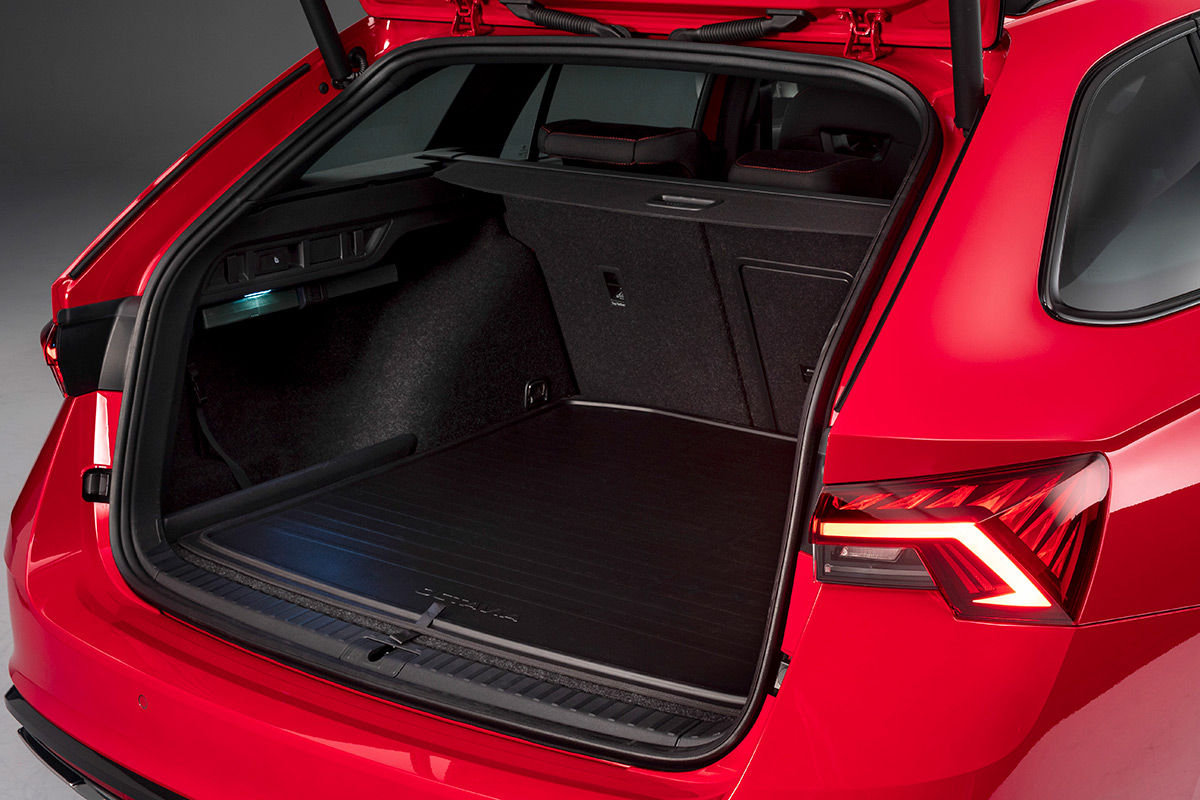
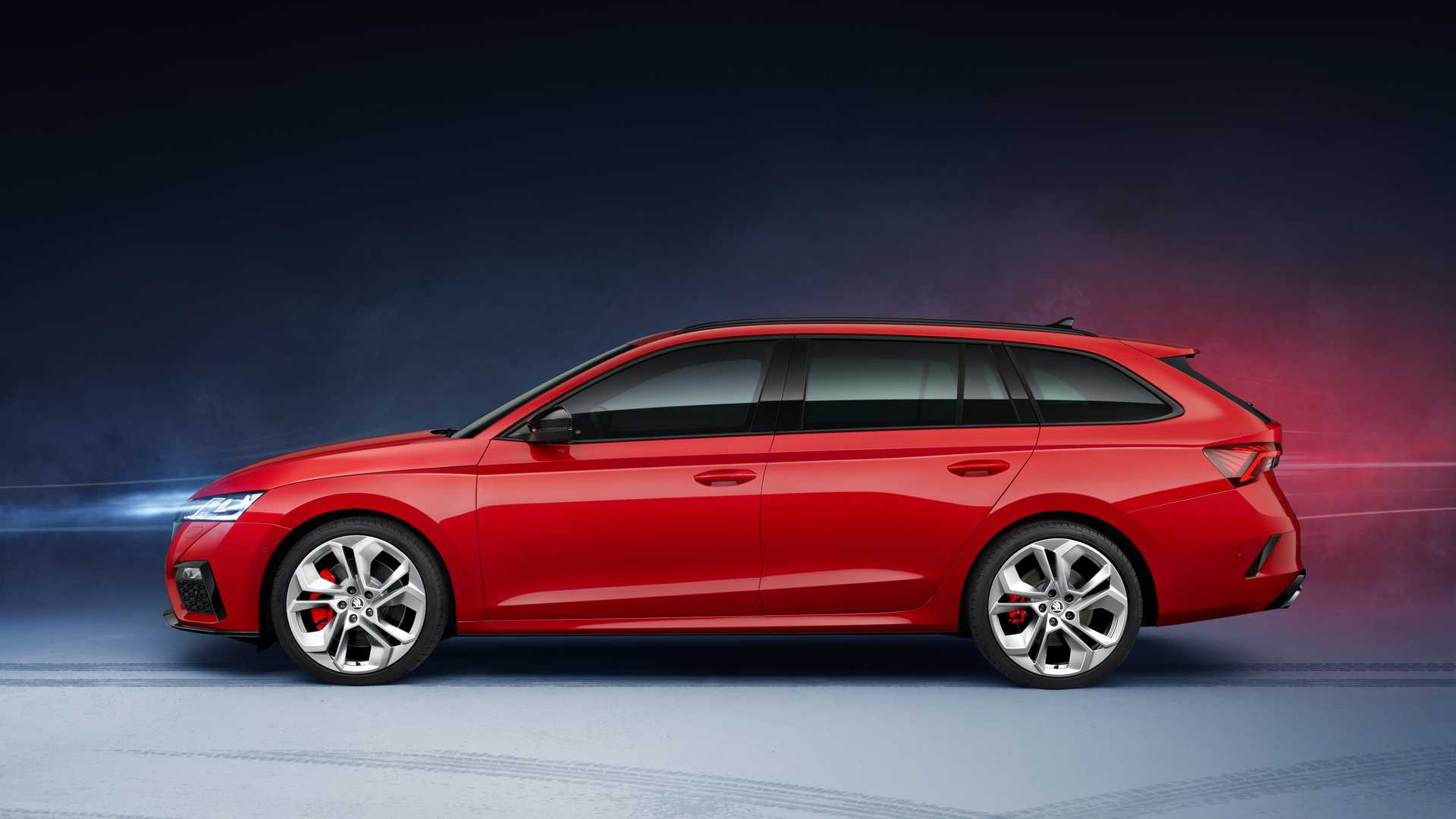
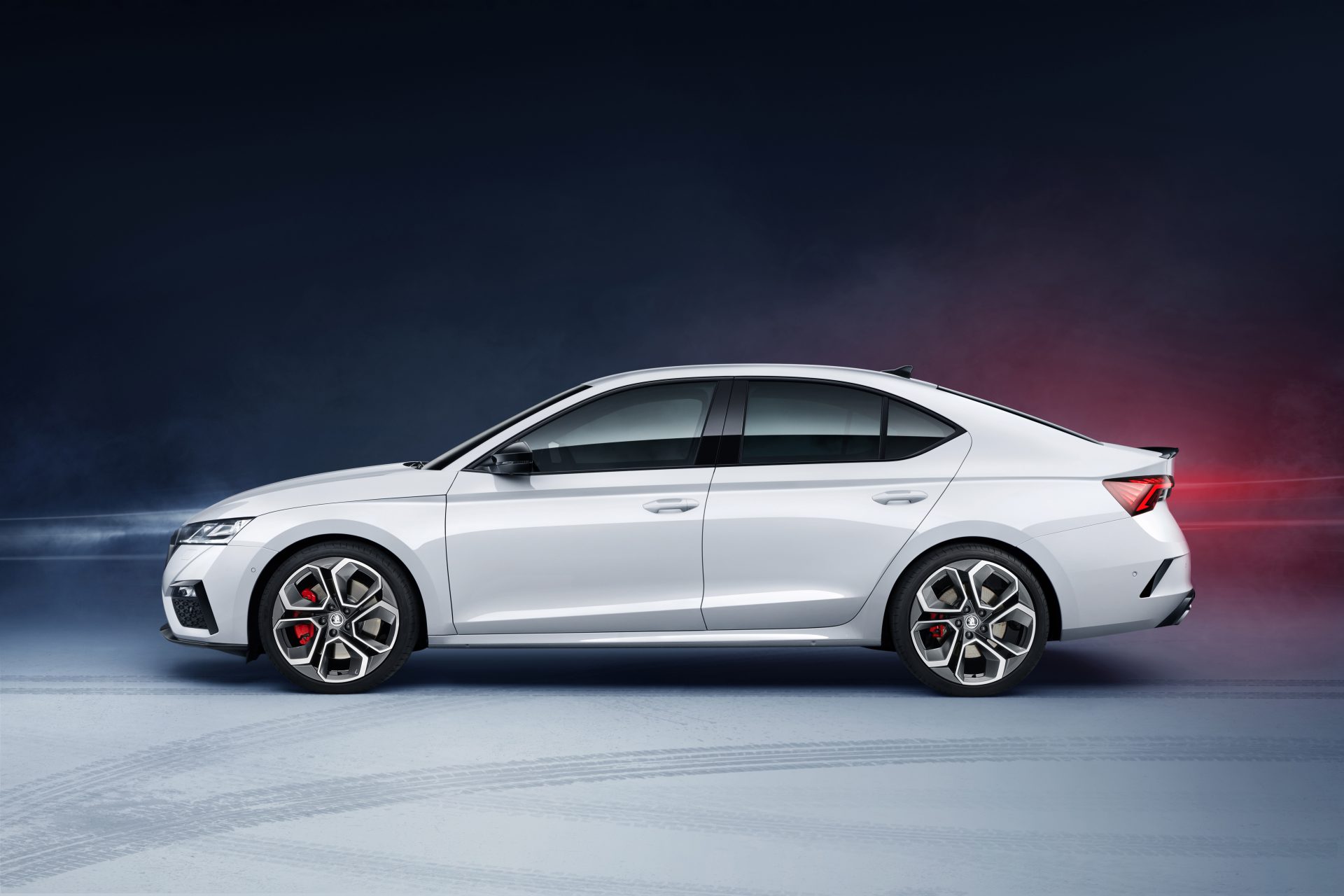
Just like in previous generations, the almost coupé-like hatchback, featuring a large tailgate, and the COMBI, now with an even larger boot (640 l), are key members of the fourth generation of the OCTAVIA family too. With a drag coefficient (cd) from 0.24 for the hatchback and 0.26 for the COMBI, both OCTAVIA body variants are amongst the most aerodynamic cars in the world in their respective segments. The OCTAVIA SCOUT is exclusively available as an estate, offering rugged body enhancements and a Rough-Road package with raised ground clearance as standard. The two OCTAVIA plug-in hybrids bear the abbreviation ‘iV’: the OCTAVIA iV has a total power output of 150 kW (204 PS) and the OCTAVIA RS iV delivers 180 kW (245 PS). Including the 180-kW (245 PS) 2.0 TSI and the 147-kW (200-PS) 2.0 TDI, there are now three powertrains available for the fourth generation of the sporty, top-of-the-range RS model. The two OCTAVIA variants with mild hybrid technology bear the e-TEC designation, while the OCTAVIA G-TEC is specifically designed to run on eco-friendly natural gas (CNG).
ŠKODA OCTAVIA RS: A sporty trio
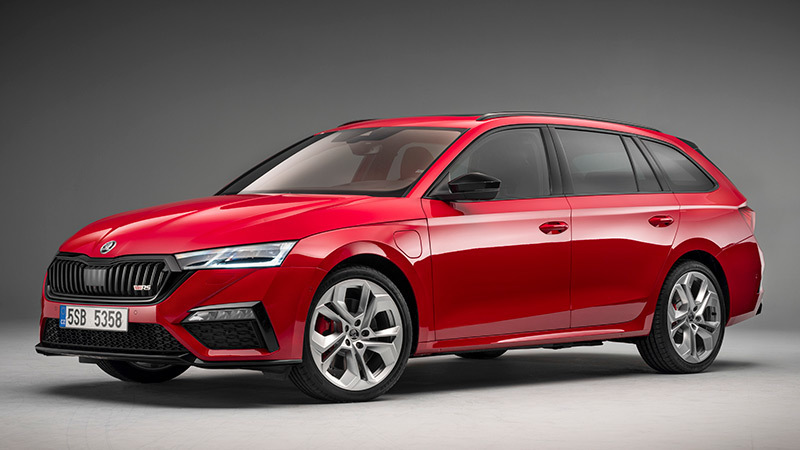
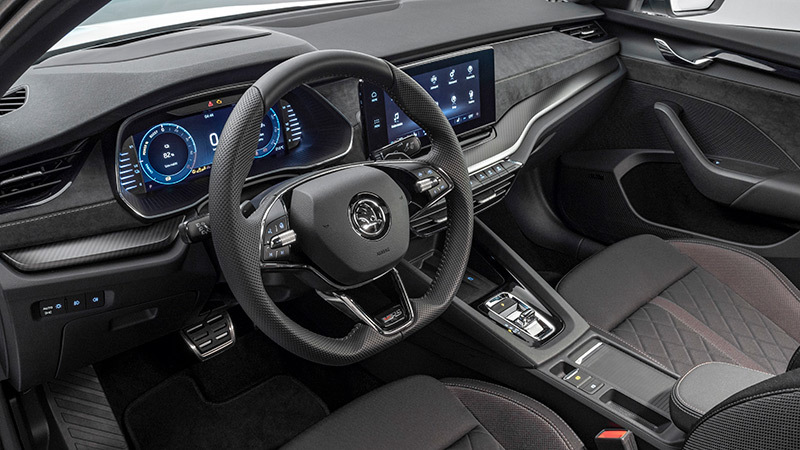
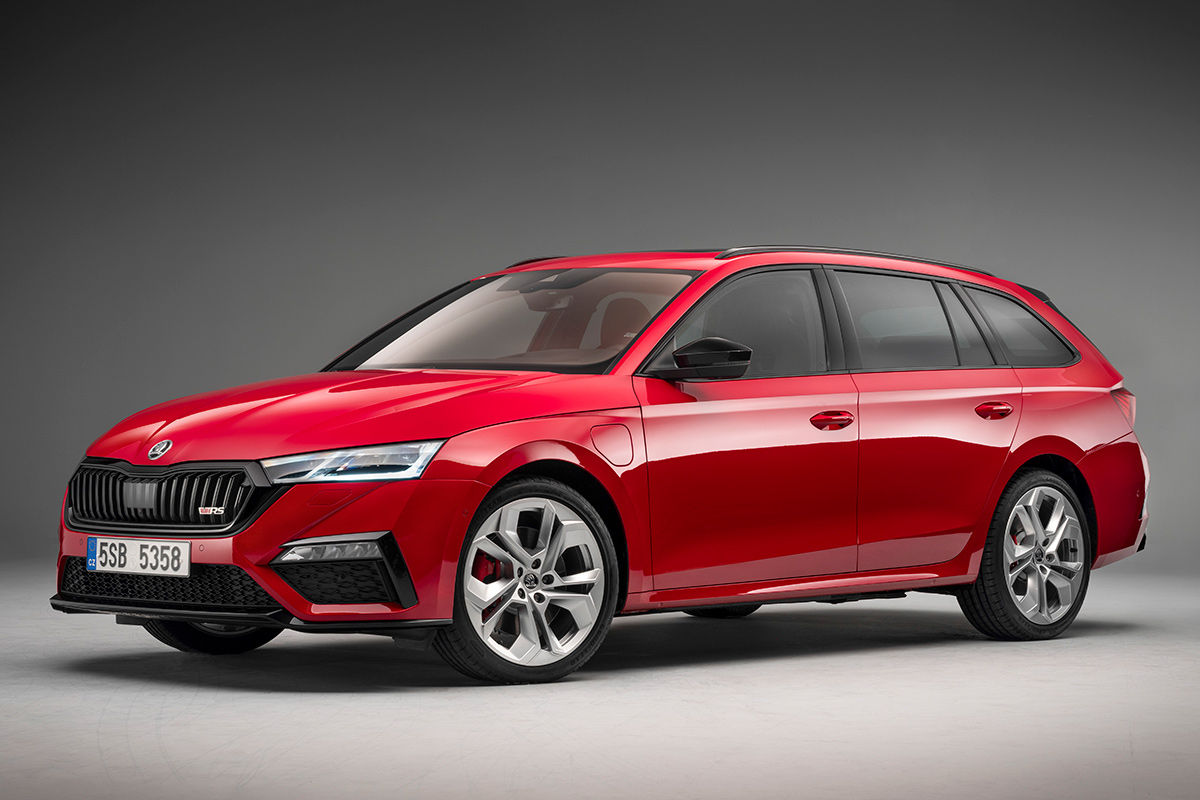
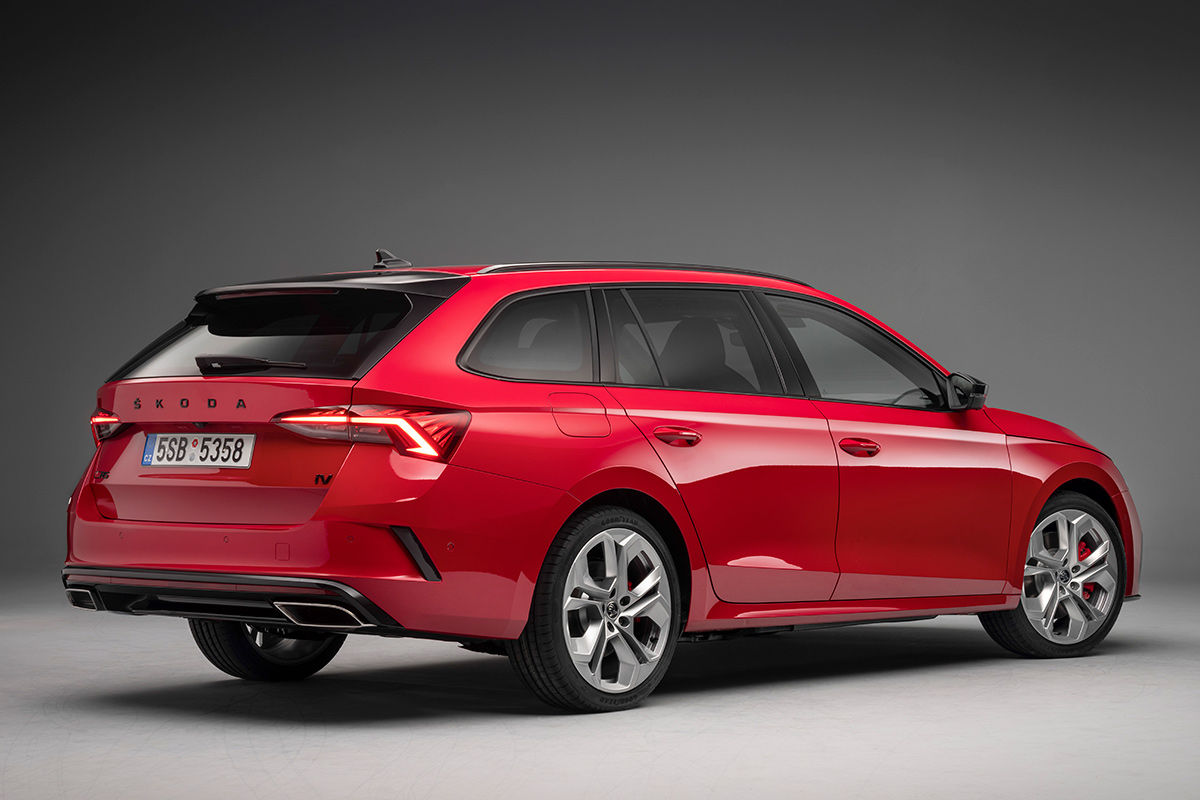
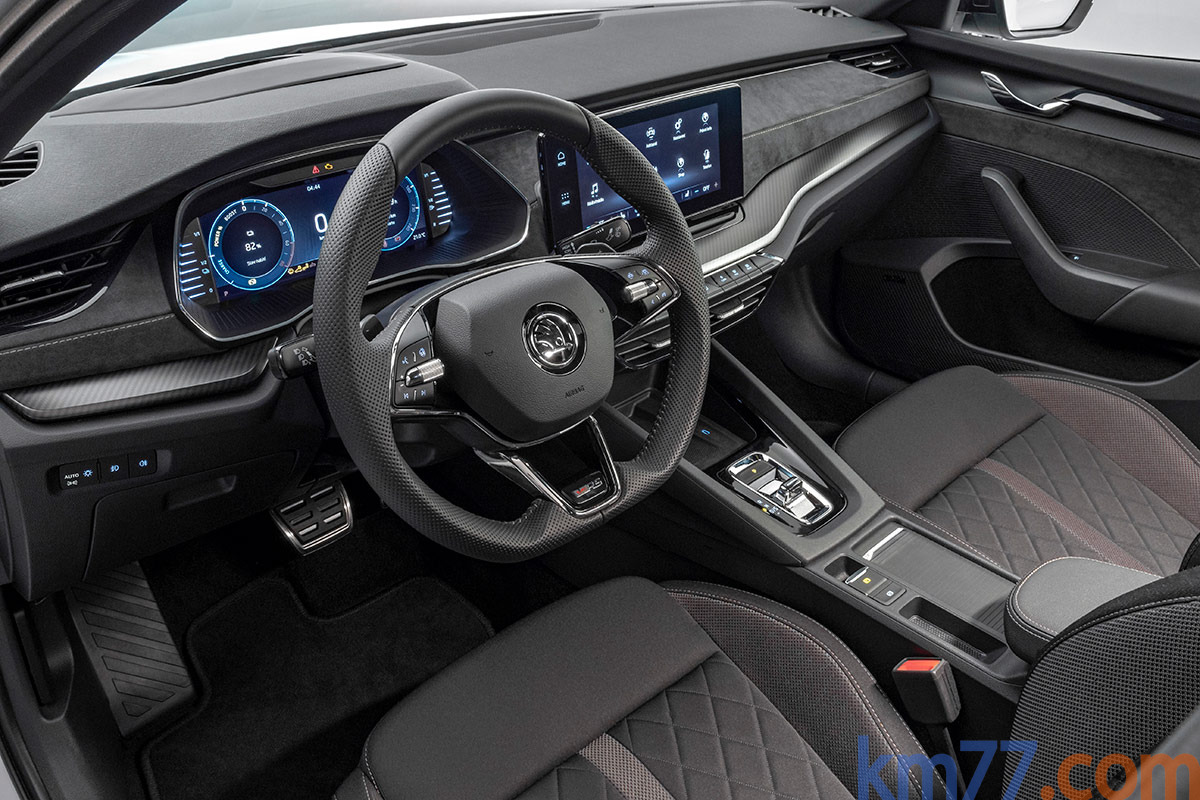
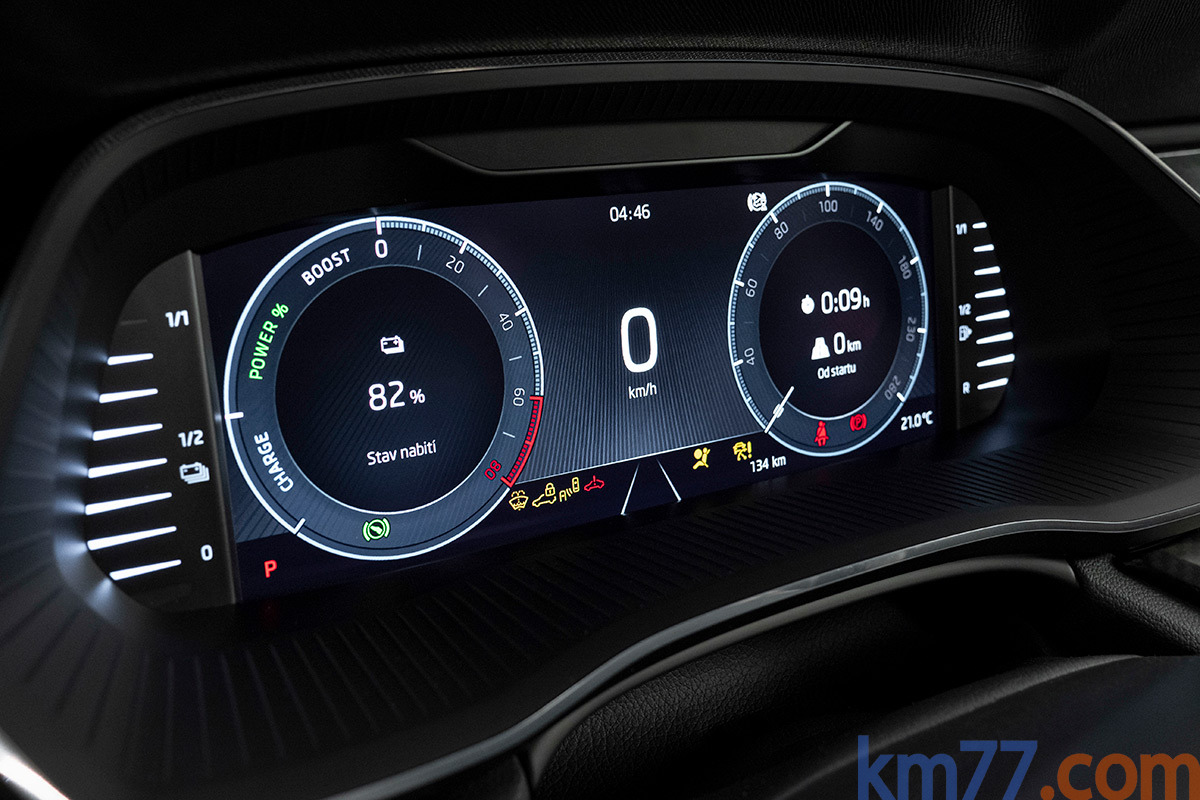
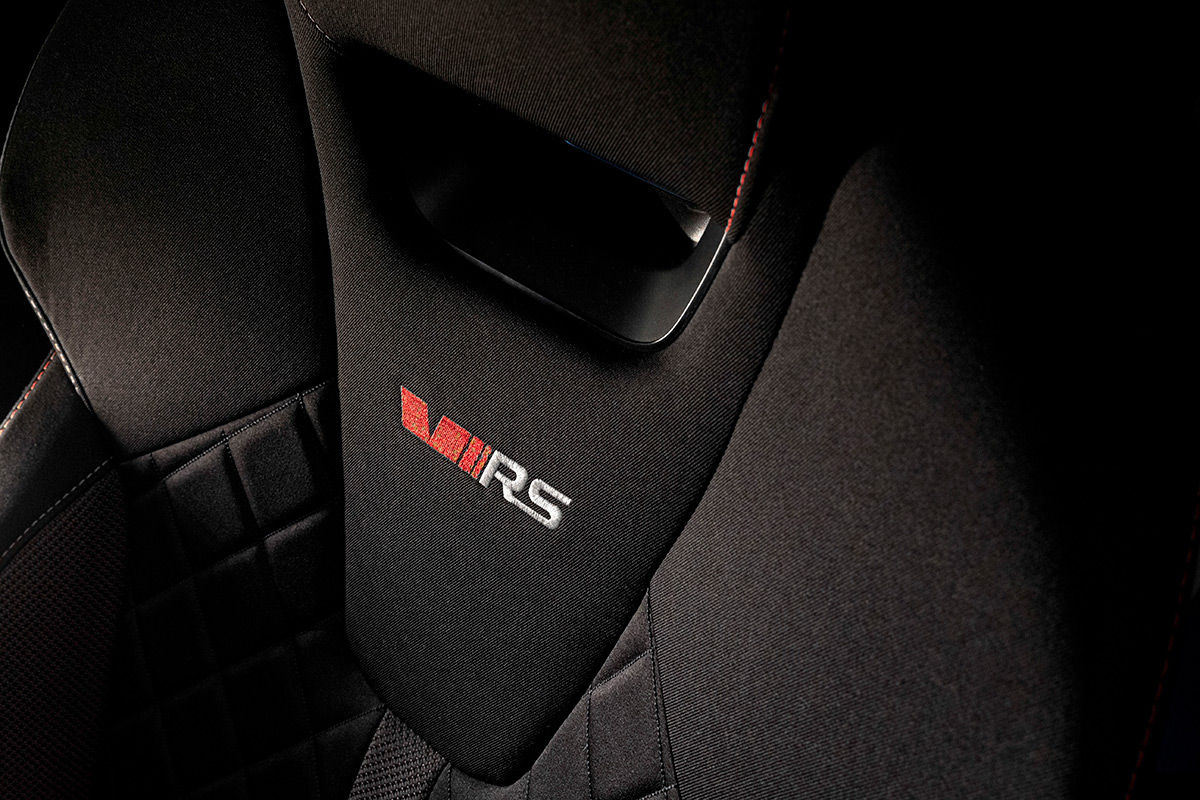
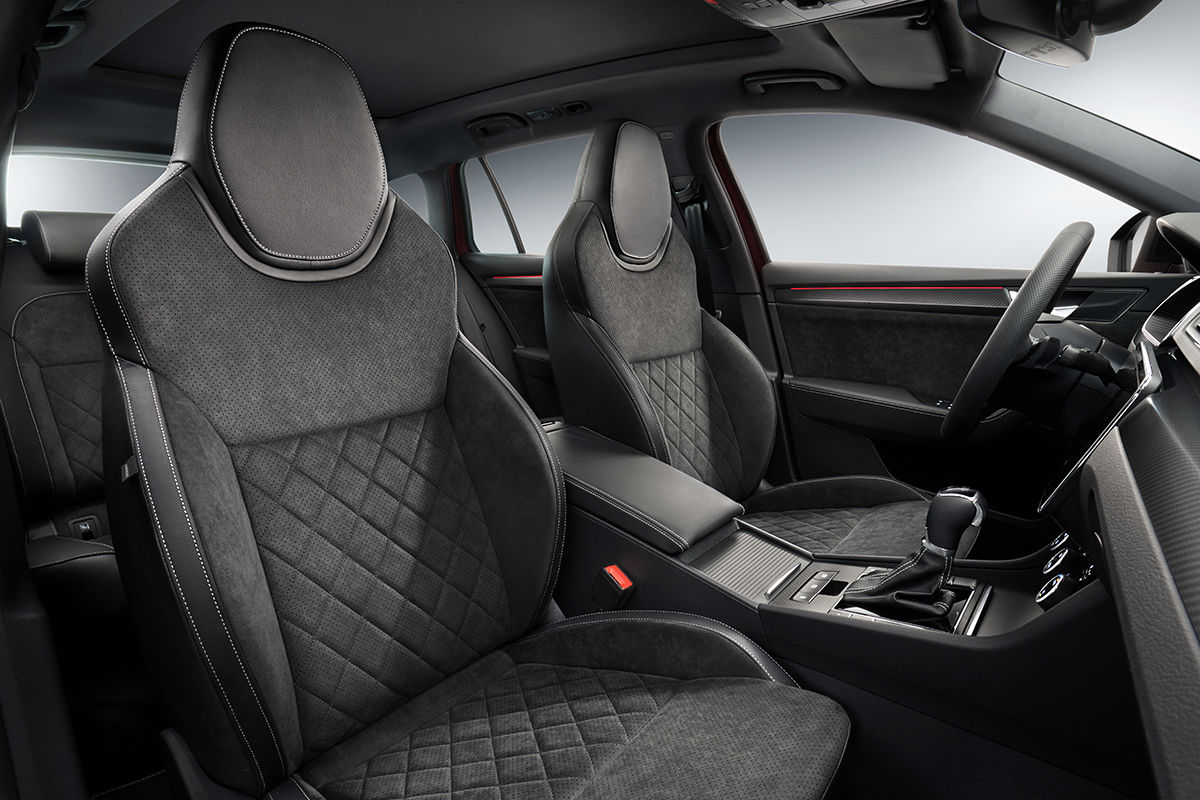
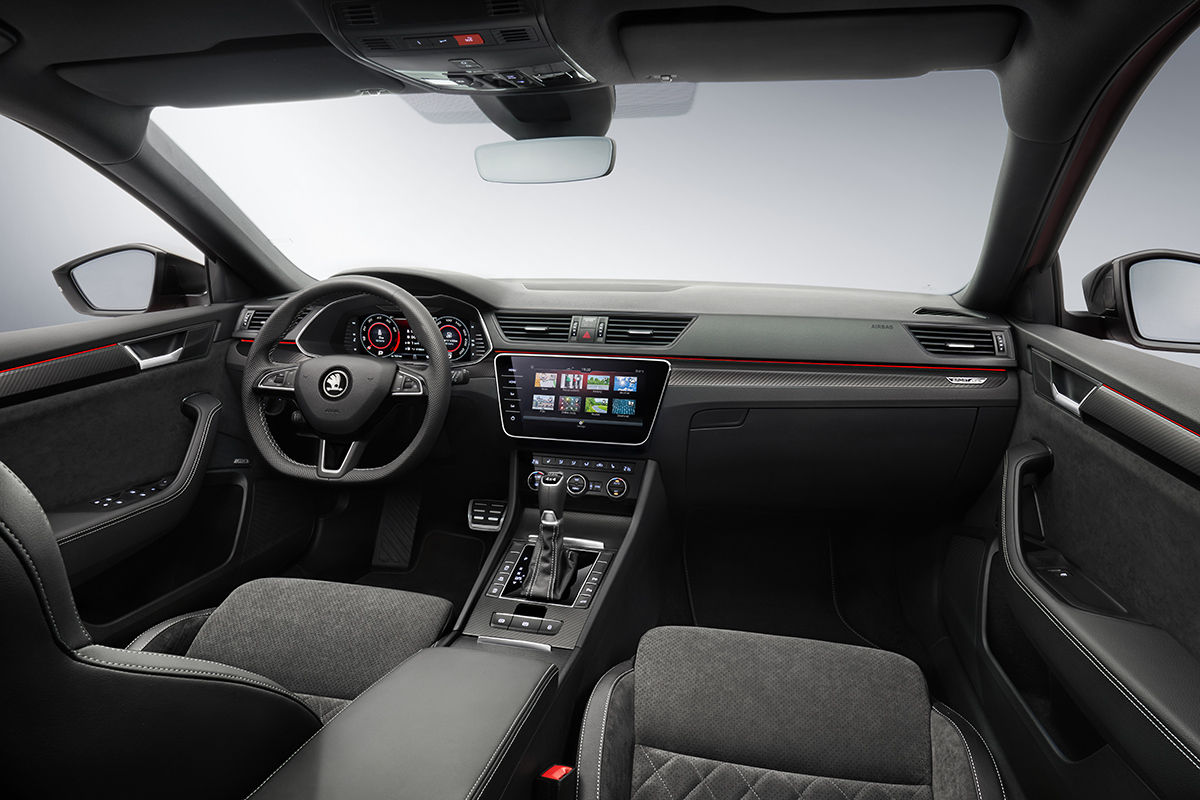
ŠKODA is continuing the tradition of its performance RS models in the fourth-generation OCTAVIA too. This iteration, however, is the first in which the Czech car manufacturer is offering three different drive systems: in addition to the OCTAVIA RS versions with either a petrol or a diesel engine, the OCTAVIA RS iV – the brand’s first RS plug-in hybrid – is now being launched. Both the 2.0 TSI OCTAVIA RS and the OCTAVIA RS iV have an output of 180 kW (245 PS). The 2.0 TDI produces 147 kW (200 PS) and is the only model in the RS range to be available with all-wheel drive on request. All three variants feature sporty bodywork detailing including RS-typical black touches. The interior, with its traditional and dynamic design, is also predominantly black.
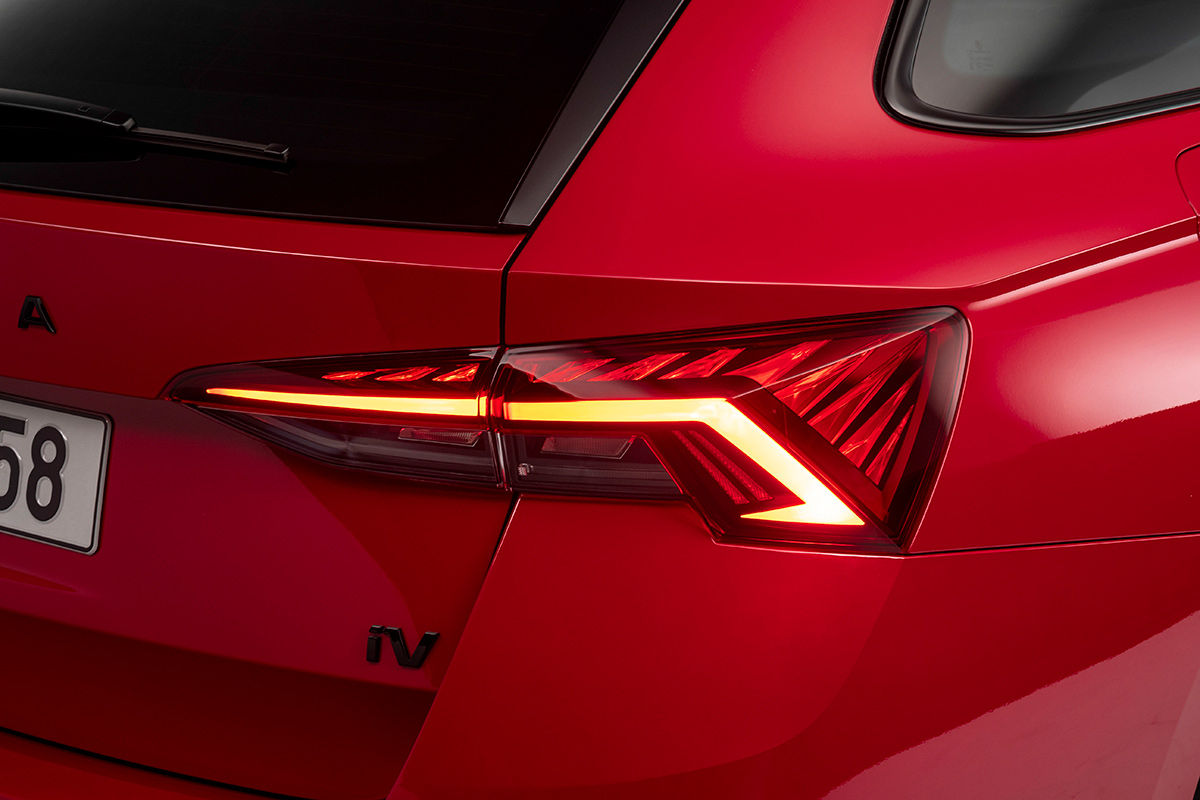
Since the success story of ŠKODA’s RS family began in the year 2000 with the first-generation OCTAVIA, the sportiest versions of a variety of the Czech manufacturer’s production models have borne the distinctive abbreviation ‘RS’. The letters stand for ‘Rally Sport’ and are reminiscent of the ŠKODA 180 RS and 200 RS rally prototypes as well as the success of the ŠKODA 130 RS at the Monte Carlo rally in the 1970s. ŠKODA built more than 17,600 units of the first OCTAVIA RS featuring a 1.8-litre turbo engine and generating 132 kW (180 PS) as a hatchback initially – and, as of 2002, also as an estate. More than 87,800 of the second-generation OCTAVIA RS rolled off the production line. In addition to a 147-kW (200-PS) petrol engine, it was also offered for the first time with a 125-kW (170-PS) diesel. The third-generation OCTAVIA RS, launched in 2013, was even more successful. It was the first to boast the continuous red reflector strip at the rear, which has been a defining detail of RS models ever since. It was initially available with a 162-kW (220-PS) petrol engine, and later also with 169-kW (230-PS) and 180-kW (245-PS) petrol engines. The 2.0 TDI had an output of 135 kW (184 PS) and offered all wheel drive as an option for the first time in an RS. A total of more than 172,000 vehicles were produced. In Germany, the United Kingdom and Switzerland, RS variants now account for more than 20 per cent of models in the range.
A choice of three drive concepts now available
In the fourth generation of the OCTAVIA RS, customers can opt for one of three drive systems for the first time. With a power output of 180 kW (245 PS), the new OCTAVIA RS iV with plug-in hybrid drive and
6-speed DSG as well as the OCTAVIA RS equipped with a 2.0 TSI petrol engine and a manual 6-speed gearbox or 7-speed DSG are each on a par. The 2.0 TDI delivers 147 kW (200 PS); it is always coupled with a 7-speed DSG, and all-wheel drive is an optional extra. The control electronics of the optional all wheel drive react to changing driving conditions within a fraction of a second and support the driving dynamics, for example when cornering fast. Here, the system transfers part of the driving torque to the opposite wheel when the load on the inner wheel is reduced, and maintains traction.
František Drábek, Head of the Compact Model Range at ŠKODA AUTO, said, “No matter which drive concept you opt for as an OCTAVIA RS enthusiast, ŠKODA’s RS models deliver exactly what you would expect: they combine the performance that has been cherished by customers for decades and supreme everyday practicality. All three drive systems are convincing with their consistent power delivery and excellent fuel consumption, and showcase the latest technology in impressive style.”
Sporty appearance featuring RS-typical black details
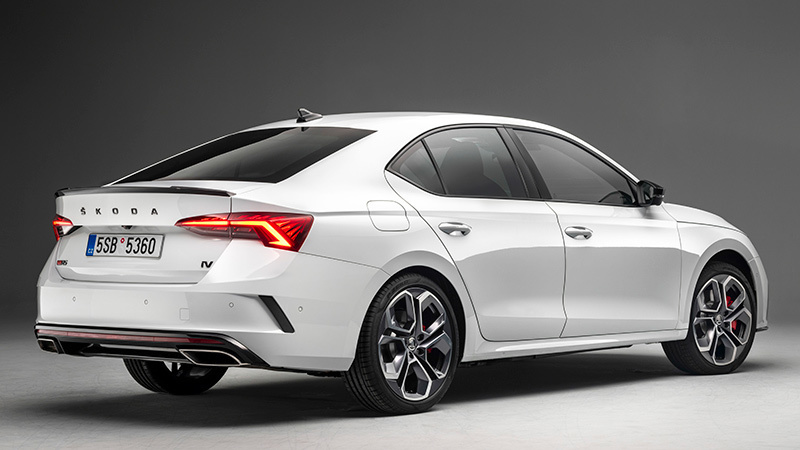
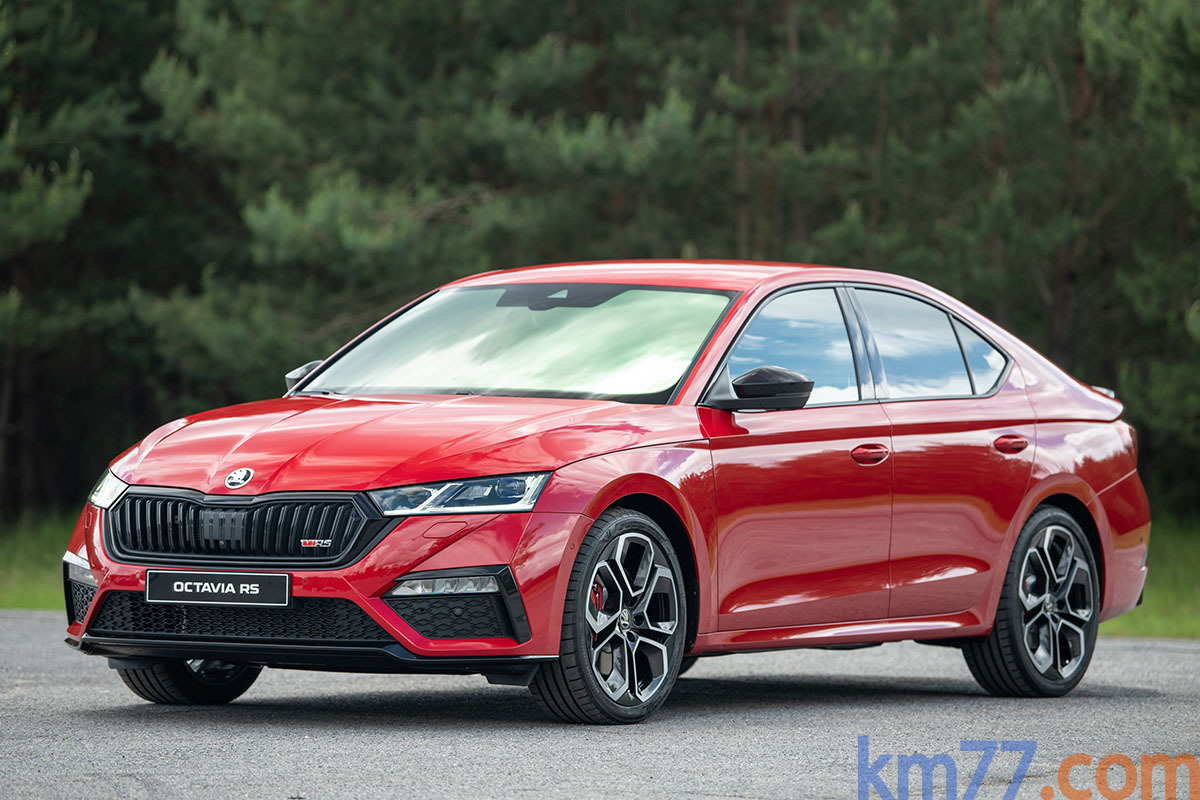
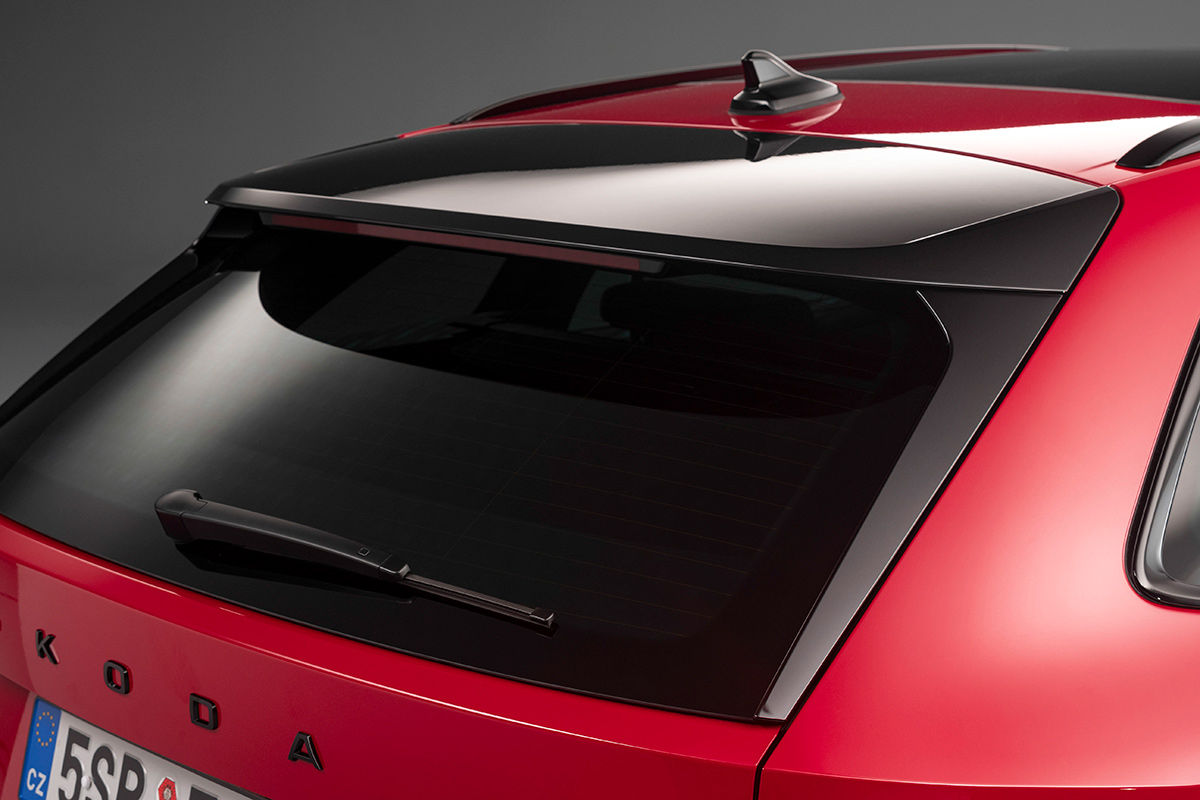
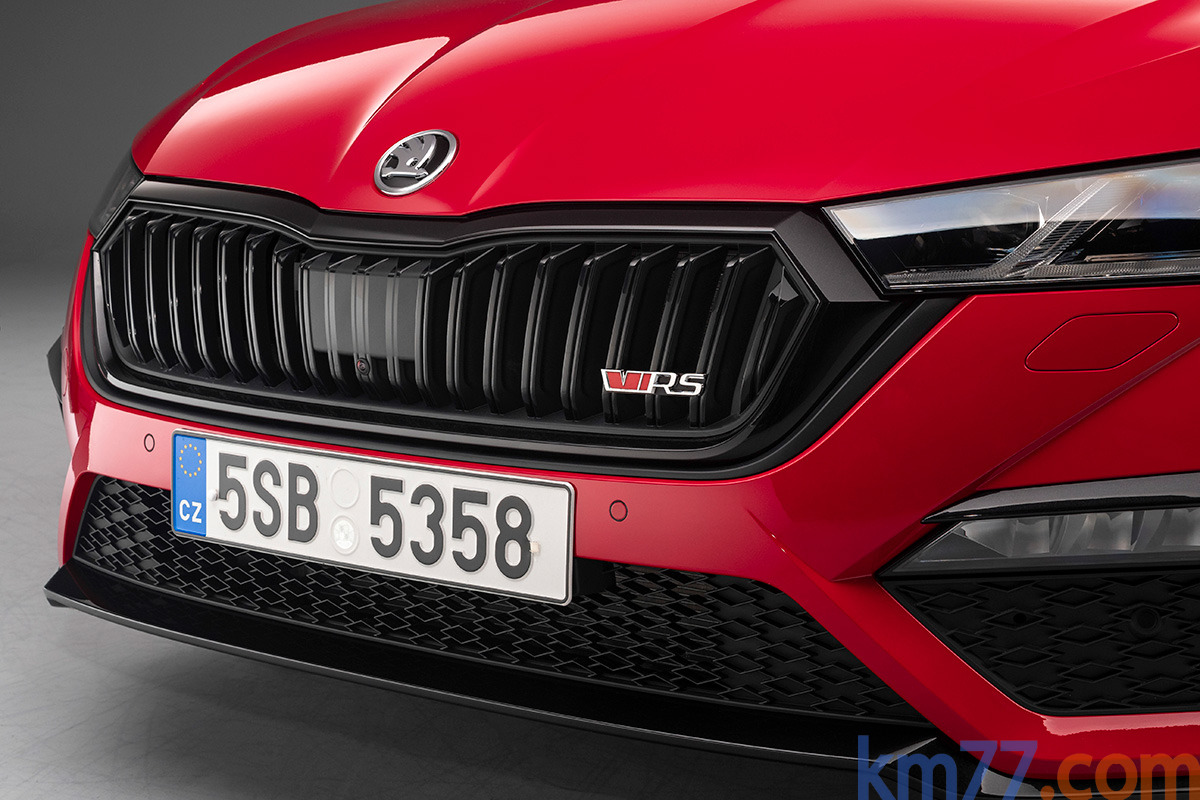
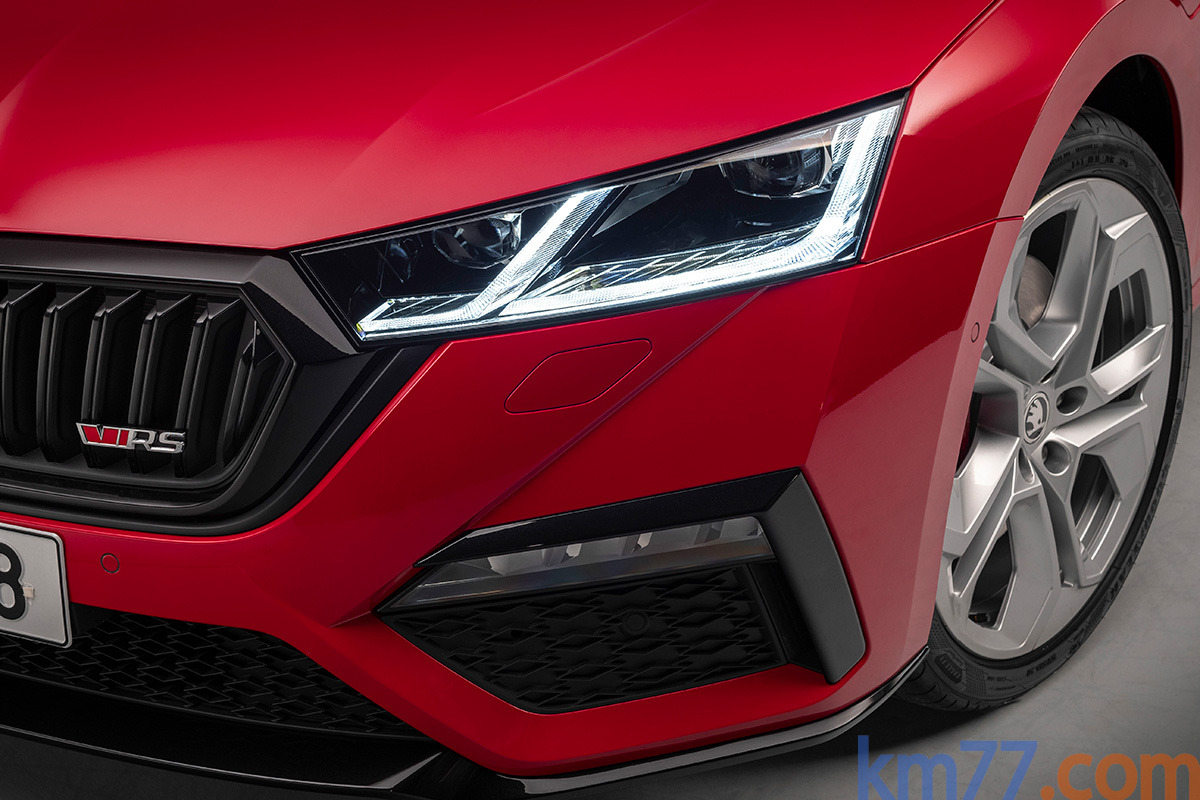
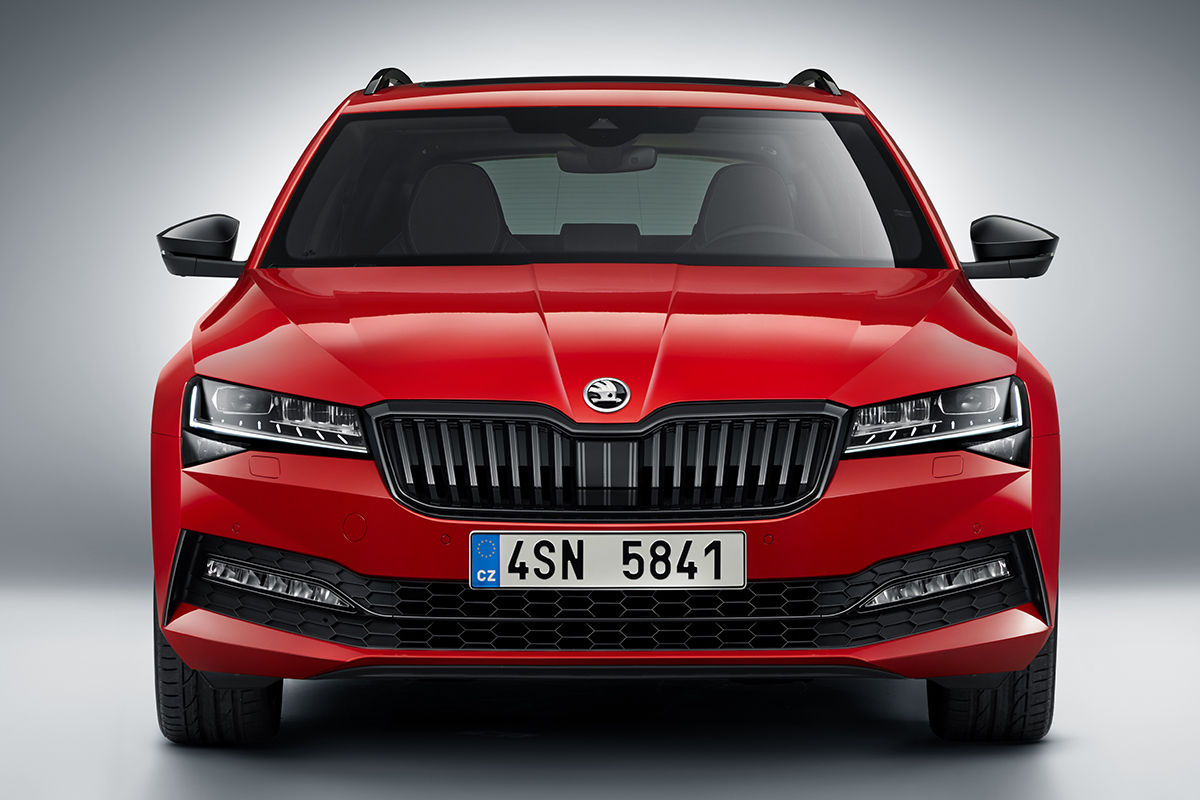
RS models traditionally look much more dynamic than other OCTAVIAs. In addition to exclusive front and rear aprons, they feature numerous black attributes. These include the ŠKODA-typical grille, diffuser, and Air Curtains above the exclusive LED fog lights. The wing mirror housings and the window frames also come in gloss black, as do the COMBI’s roof rails. At the rear of the hatchback, the aeroflaps, diffuser and RS rear spoiler are gloss black too. The COMBI’s roof spoiler is body-coloured. RS models feature black 18-inch alloy wheels as standard; the brake callipers boast an eye-catching RS-typical red finish. 19-inch alloys are available as an option. The sporty top-of-the-range versions are characterised by exclusive vRS badges on the ŠKODA grille and tailgate. Standard equipment includes the innovative full LED Matrix headlights, which are making their OCTAVIA debut.